Synthetic creators are starting to reshape the business of influence
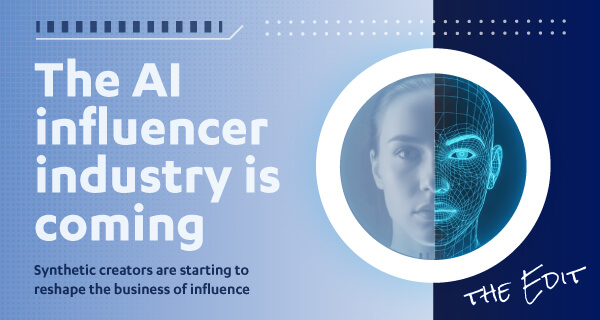
Fashion and tech have led the way for years, but 2025 is the tipping point. Across industries, AI influencers offer brands total control over tone, cost savings, and global scale, with no risk of scandals or creative burnout. Companies can license buzzy virtual personalities or fully own their own synthetic talent, unlocking new ways to tell stories and drive engagement.
For healthcare, the stakes are much higher. AI influencers could amplify education and drive engagement but come with steep reputational risks if trust or transparency falters. Disclosure, accuracy, and clear guardrails will be essential as the line blurs between real and virtual voices.
What might be around the corner?
Brands may lean into self-produced, behind-the-scenes content from real employees to build trust or double down on virtual ambassadors with even greater customization and interactivity. Watch for new rules around disclosure and authenticity as AI influencer adoption grows.
Case study #1: TikTok’s Symphony Avatars
TikTok’s Symphony platform lets brands create and deploy stock or custom AI avatars to model products or demo apps, with built-in content labeling and safety checks.
Case study #2: Imma: the AI influencer you already know
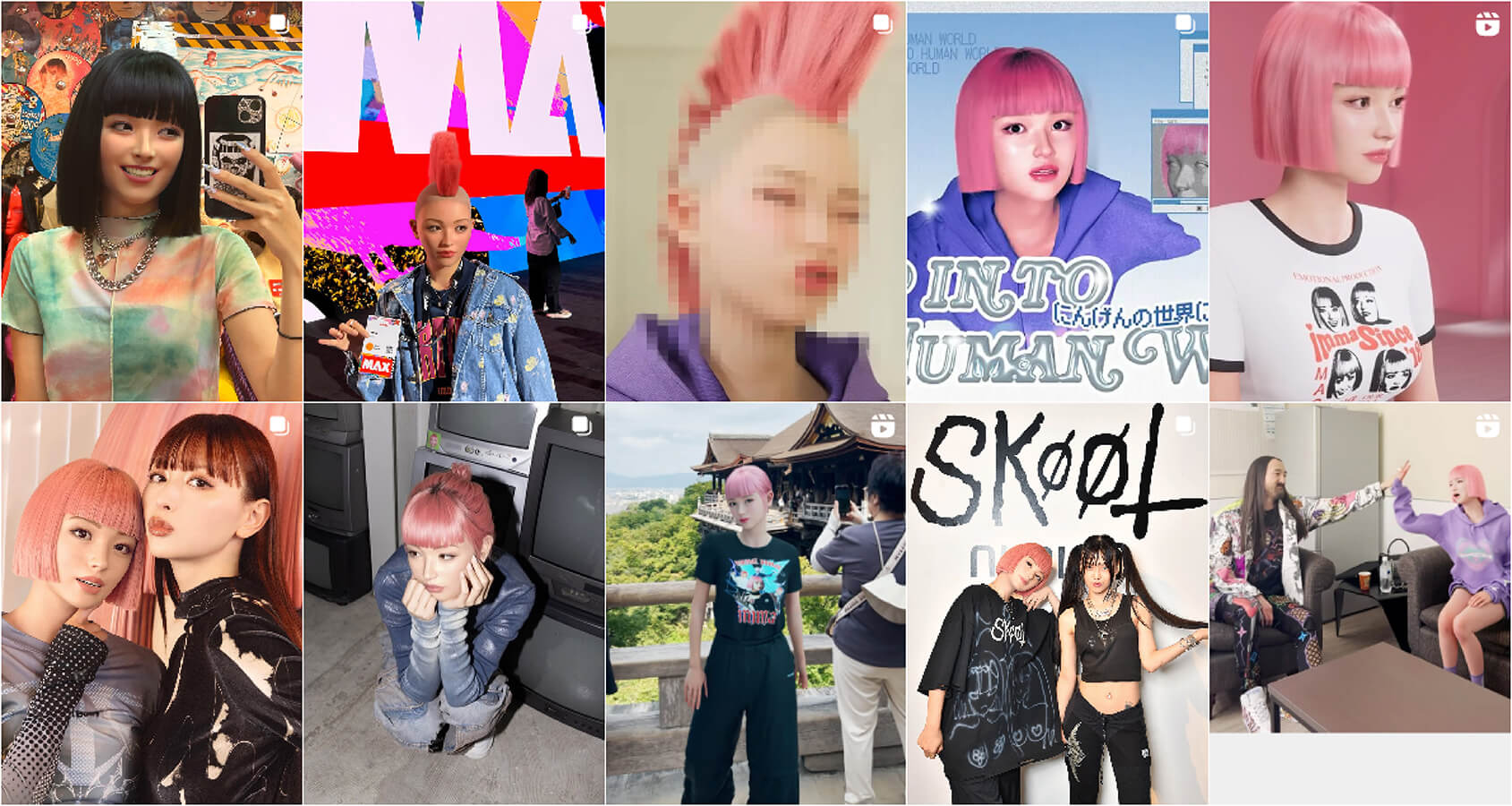
Imma, a hyper-realistic virtual creator, has fronted campaigns for global brands like Hugo Boss, Burberry, and Coach, consistently delivering engagement without the unpredictability of human talent.